The Dark Room
What is dark romance? The answer I give at parties
A plain definition from inside the genre: what makes a romance dark, what doesn’t, and which books people mean when they say it.
Someone asked me at a party what I write, and I said dark romance, and she said “so, like, Fifty Shades?” I said no. Then I spent ten minutes failing to explain why, which is how this essay started. Here is the answer I should have given, written down so I never have to improvise it again.
What is dark romance? The short answer
Dark romance is a romance novel that goes somewhere a romance usually refuses to go. The love story is still the spine. The couple still ends up together, or at least together for now. But the road there runs through harm: obsession, stalking, captivity, violence, coercion, crime, and a hero (sometimes a heroine) who does genuinely bad things and does not get rewritten into a nice man by the final chapter.
Two parts of that definition matter, and people forget one or the other.
- It is a romance. There is a central relationship, and the book is about that relationship. A thriller where a woman is hunted and nobody falls in love is not dark romance. A horror novel with a bit of kissing is not dark romance either.
- It is actually dark. The darkness is on the page and the book does not look away from it. A billionaire who is a bit grumpy is not dark. A man who follows a woman home for weeks before she knows his name is.
That is the definition. The rest is seasoning.
What makes a book “dark” and not just spicy
This is the confusion I hit at that party. People hear dark and think explicit. They are different dials, and I wrote a whole piece on it, Dark is not a spice level, because I got tired of buying books on the wrong number.
Spice is heat: how much sex is on the page and how much detail you get. Darkness is moral weather: how much harm is in the story, and whether the book wants you to feel safe. On this site I score both, 1 to 5, and explain the scales on how we rate. A closed-door book can be pitch black. A scorching one can be fairly light once you look past the bedroom.
The things that push a book dark tend to be these:
- A hero who crosses lines. Morally grey at the gentle end, outright villain at the far end. If you want the long version, I wrote about the morally grey hero separately.
- Obsession that is not cute. Watching, following, breaking in. The stalker romance lane lives here.
- Loss of freedom. Kidnapping and captive romance, arranged marriages that are not really a choice, debts paid in people.
- Crime as the setting, not the garnish. Mafia romance, cartels, bratva, killers.
- Consent that is complicated. Dubious consent and, in some books, worse. This is the part that needs the most care, and the part where warnings matter most.
Is dark romance the same as erotica?
No. Erotica is built around the sex; the plot exists to get you from one scene to the next. Dark romance is built around the relationship and the danger. Plenty of dark romance is very explicit, but there are dark romances with almost nothing on the page. The genre label tells you about the shape of the story, not the heat. Check the spice score if heat is your question.
Why do people read it?
I have an essay on why women read dark romance and another on whether dark romance is harmful, so I will keep this short. The honest answer is that fiction is a safe room for unsafe feelings. You get the fear, the pull, the wrongness, and you can shut the book. Nobody follows you home. The reader is in control the whole time, which is the opposite of what the heroine gets, and that gap is a lot of the point.
It also makes for good story. Stakes are high, the tension never really drops, and a love story that has to survive something terrible feels like it was earned.
It is not new, either. Readers were swooning over Heathcliff and Rochester long before anyone said BookTok. I wrote up the history of dark romance if you want the long road from gothic novels to now.
Dark romance examples, so the definition has a face
Names do more work than definitions. Here are a few that people mean when they say the word, from the softer end to the deep end. Every one links to a page with warnings first.
- Twisted Love by Ana Huang. A possessive, morally grey hero and a lot of heat, but the darkness stays fairly contained. Often the first “is this dark romance?” book people read.
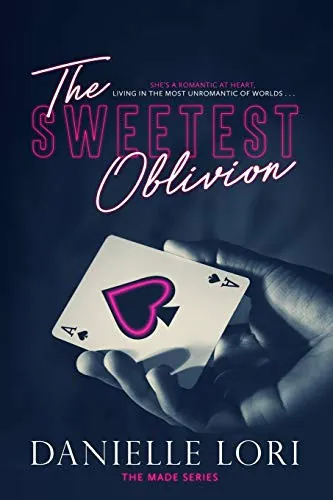
- The Sweetest Oblivion by Danielle Lori. Mafia, an arranged match, enemies to lovers. Dark setting, romance-first tone.
- Lights Out by Navessa Allen. A masked stalker, a heroine who clocks him, and jokes. Dark, but with the lights half on.
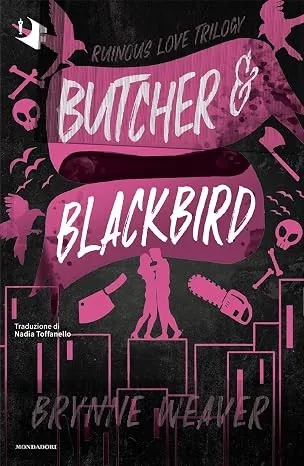
- Butcher & Blackbird by Brynne Weaver. Two serial killers who fall for each other. Gory, funny and warmer than it sounds.
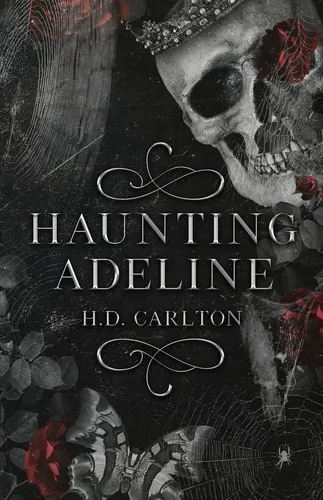
- Haunting Adeline by H. D. Carlton. The masked stalker book everyone has an opinion about. It sits at the very top of both scales on this shelf. Read the warnings first. I mean it.
- Captive in the Dark by C. J. Roberts. Older, bleak, and an honest title. Captivity is the story.
If you want a longer list, the best dark romance books page does that job. If you are brand new, start with dark romance for beginners instead of jumping in at the deep end.
The two promises every dark romance has to keep
I think the genre has two promises, and when a book breaks one of them readers notice.
The first is the ending. A dark romance ends with the couple together: happily ever after or happy for now. If the book ends in tragedy, it might be brilliant, but readers who picked it up as a romance will feel cheated. That rule is why the genre feels survivable even when the middle is brutal. You know the shape of the door you will walk out of.
The second is honesty. A dark romance should tell you what it is. That is where warnings come in. Authors who print a content warning page are not spoiling their book; they are keeping the deal with the reader. On this shelf every book has a warnings page, and the trigger warnings A to Z index lets you search for one thing you cannot read about and see which books have it.
What dark romance is not
Plenty gets the label without earning it.
- A dark cover. Black jacket, a dagger and some smoke do not make a book dark.
- A rude billionaire. Rude is not dark. Rude is Tuesday.
- Romantasy with a war in it. Some fantasy romance is genuinely dark, plenty is not. The fae lane is mixed, and I score each book on its own.
- A thriller with a love interest. If the romance is a subplot, it is a thriller.
None of this is a ranking. Lighter books are not lesser books. They are just a different shelf.
How to find the dark romance that suits you
I ask three questions, in this order.
- What can you not read about? Check that first, on the warnings pages. It is the only question where a wrong answer actually costs you something.
- How dark do you want it? Browse the darkness scale from moody to no light and pick a number that sounds like fun and not like homework.
- What flavour? Pick a trope. Masked men, stalkers, mafia, killers, monsters. The tropes page lists them all, and I have written up the common ones in dark romance tropes explained.
Then pick a book, read the first chapter, and give yourself permission to stop. That last bit is the one people skip.
And my own corner of it
I write a masked-man dark romance serial, Zade Masked. It sits in the masked and stalker lanes, with a hero who does not take the mask off and does not apologise for the things he does while wearing it. I mention it because you should know who is talking. Everything on this page applies to my book too: it is a romance, it is dark, and it has its warnings printed before the first part.
So, at the next party, I have my answer. Dark romance is a love story that walks through the dark on purpose and comes out the other side together. It is not Fifty Shades. Fifty Shades is a fairly gentle book with a very good marketing team.
What is dark romance FAQ
What is dark romance in simple terms?
A romance novel where the love story runs through real harm: obsession, stalking, captivity, violence or crime, with a hero who does bad things. It still ends with the couple together.
Is dark romance the same as erotica?
No. Erotica is built around sex. Dark romance is built around a relationship and danger. Many dark romances are explicit, but some have almost no sex on the page.
Does dark romance always have a happy ending?
Yes, in the sense readers mean. A dark romance ends happily ever after or happy for now. A dark love story that ends in tragedy is usually shelved as something else.
What is a good first dark romance book?
Start around the middle of the darkness scale. Twisted Love by Ana Huang, The Sweetest Oblivion by Danielle Lori and Lights Out by Navessa Allen are common first picks.
On the shelf
The books this essay is standing next to. Notes on those pages are original. The warnings are there before the plot.

Essays are opinion. They are not a substitute for an author’s own warning note. Patreon · Ko-fi · Library