The Dark Room
The History of Dark Romance: From Wuthering Heights to Haunting Adeline
Dark romance isn't new. A dark romance writer builds on Shanspeare's 'Dark Romance: Love, Desire…Oppression?' to trace the genre's history from gothic novels, the Brontës and du Maurier to BookTok.
If you only know dark romance from BookTok, you’d think it was invented around 2018 by someone with a ring light and a dark sense of humour. It wasn’t. The dangerous lover is one of the oldest characters in literature, and he’s been making readers clutch their pearls for centuries.
That’s the argument at the heart of Shanspeare’s Dark Romance: Love, Desire…Oppression? (August 2025), and it’s the best video essay on the genre I’ve watched. It isn’t a cheerleading video. Shanspeare has real criticisms. But it treats dark romance as something worth understanding rather than something to stamp out, which is rare. So rather than argue with it, I want to build on it.
The anatomy: the lover and the beloved
Shanspeare breaks dark romance down into two figures. The dangerous lover has fallen from grace and lives on the edge of society, brooding and convinced he deserves his exile. The beloved is often everything he lacks. They fill each other’s gaps, and by loving him, the beloved often chooses to step outside respectable society too. Falling in love and falling from grace become the same thing.
Once you see that shape, you can’t unsee it. The video also makes the point that dark romance is a spectrum, from grey to pitch black, and that not every title involves dubious consent. That matters, because critics love to talk about the whole genre as if it’s one book.
Why critics pretend it’s new
One of the sharpest points in the video is that calling dark romance “new” helps the campaign against it. If something is new, it’s easy to believe we managed fine without it and can get rid of it. But if it has been with us for centuries, you have to ask why humans keep coming back to it.
And we always have.
The gothic roots
Shanspeare traces the genre back to gothic fiction. In early gothic novels like Ann Radcliffe’s, the villain was an obstacle between the heroine and a virtuous hero, but he was always more interesting than the hero. Over time, writers merged the two, and the villain became the love interest.
Her big example is Emily Brontë’s Wuthering Heights (1847): Heathcliff, an outsider, cruel and vengeful, loving Catherine so fiercely that it outlives her. She quotes early reviewers who were shocked and disgusted by it. That book is now a school set text.
I’d add a few more names to the family tree, because us Brits practically built this genre:
- Jane Eyre (Charlotte Brontë, 1847). Mr Rochester is moody, manipulative, older and very much her employer, and he’s hiding a wife in the attic. He even dresses up as a fortune teller to toy with Jane’s feelings. Generations of readers have adored him anyway.
- Rebecca (Daphne du Maurier, 1938). Maxim de Winter’s dark secret is one of the most famous twists in British fiction, and readers still argue about whether the second Mrs de Winter should have stayed. Du Maurier gave us obsession, jealousy and a house in Cornwall that feels like a character watching you.
- The Phantom of the Opera (Gaston Leroux, 1910). A masked man who lives in the shadows beneath the opera house, watches a young singer, guides her, obsesses over her and carries her down into his world. Sound familiar? Over a century later, masked obsession is still selling out theatres.
That last one is close to my heart. When I write Zade Masked, I know exactly whose shadow I’m standing in. The mask isn’t a BookTok gimmick. It’s one of the oldest symbols of dangerous desire we have.
Bodice rippers, fanfiction and the art of the content warning
The video moves through the bodice rippers of the 1970s and 80s, which were explicit and sometimes violent, partly because, as Shanspeare explains, a heroine who was “taken” could keep her virtue in an era that judged women for wanting sex. Then comes fanfiction, where a generation of readers (Shanspeare included) found dark, broody characters and, crucially, a culture of tagging stories with clear content warnings.
That last point deserves far more credit. The dark romance community didn’t inherit its habit of trigger warnings from publishers. Readers built it themselves. Show me another genre where fans put that much care into making sure people know what they’re walking into.
She also highlights a trope from that era that’s still central today: the dangerous lover eventually gives up control and grovels for forgiveness, a shift of power. Readers notice when that atonement is missing, and they mind. Which tells you something critics often miss: dark romance readers have strong moral expectations of these men. They just want them met in a more interesting way.
The criticisms, and why I’ll take them
Shanspeare doesn’t let the genre off the hook. She says some big modern titles feel shallow, leaning on a dated “edgy” aesthetic rather than really exploring the darker side of people. She worries about audiences being uncritical, and she’s clear she doesn’t want to hide behind “it’s just fiction”, because what we read matters.
As a writer, I’ll take that on the chin. It’s a challenge, not an attack. If dark romance claims to explore obsession and darkness, we should do it with skill and heart, not just a black hoodie and a knife. That’s the standard I want for my own work.
Desire, lack and the mask
The final part of the video is gorgeous. Drawing on Sappho and Anne Carson’s writing about desire, Shanspeare argues that we desire what we can’t have, and that the dangerous lover is the ultimate unreachable thing: unknowable, almost mythic, only possible in the theatre of fantasy. And she describes dark romance as a story of unravelling and becoming, the beloved discovering her true self through someone who seems completely alien to her.
That’s the best description of why I write this genre that I’ve ever heard. A masked man is pure lack. You can’t see his face, you can’t know him, and that distance is exactly what keeps you wanting.
Media literacy, not censorship
Shanspeare ends by rejecting censorship. What gets banned rarely stays limited to the thing you wanted banned, and the bones of this genre aren’t going anywhere. Instead she argues for media literacy: teaching people of all ages to engage with what they read, ask what it makes them feel and why, and think critically about it.
Yes. A thousand times yes. Readers aren’t zombies, as she puts it, and the answer to dark fiction has never been fewer books. It’s better readers and better writers, and a genre confident enough to talk about itself honestly.
If you want to see where the masked lover goes next, Zade Masked is waiting for you on Patreon. And if you’d like weekly dark romance history, recommendations and essays like this one, join the newsletter at zademasked.com.
FAQ
Is dark romance a new genre?
No. The modern label is recent, but the dangerous-lover story goes back centuries, through gothic novels, the Brontës, Rebecca, The Phantom of the Opera, bodice rippers and fanfiction.
What was the first dark romance book?
There’s no single first book, but Wuthering Heights (1847) and Jane Eyre (1847) are often seen as key ancestors, with gothic novels before them setting up the dangerous, fascinating villain.
Why are dark romance books so popular?
They explore desire, obsession and danger in a safe fictional space. As Shanspeare’s video argues, we’re drawn to what we can’t have, and the dangerous lover is the ultimate forbidden figure.
Source video: Dark Romance: Love, Desire…Oppression? by Shanspeare (YouTube). Quotes and paraphrases are brief, for commentary.
On the shelf
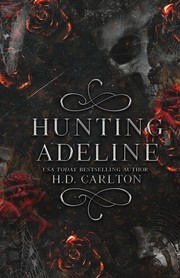
The books this essay is standing next to. Notes on those pages are original. The warnings are there before the plot.

More from the Dark Room
-
Zade Meadows: who he is, the books he’s in, and why the mask works
A spoiler-light guide to the masked hero of H. D. Carlton’s Haunting Adeline.
-
Is Dark Romance Harmful? A Dark Romance Writer Answers the Critics
Is dark romance harmful, or just misunderstood? A dark romance writer responds to MissWeiWei's 'Dark Romance is Corn For Women?' on fantasy, consent, addiction claims and why fiction isn't endorsement.
-
Why Do Women Read Dark Romance? The Psychology Behind the Fantasy
Why do women read dark romance and spicy romance? A dark romance writer responds to Aydin Paladin's 'The Secret Psychology of Women's Romantic Fantasies', on escapism, imagination, feminism and fantasy.
-
The mask is the point
A first-person essay on masked-hero dark romance. Why the reveal is often the moment the book gets smaller, and what I want instead.
-
Dark is not a spice level
Spice and darkness are different scores. An essay on why “dark romance” is not a synonym for explicit, and how to use a warning page.
Essays are opinion. They are not a substitute for an author’s own warning note. Patreon · Ko-fi · Library