The Dark Room
What is a morally grey hero? The man the genre is built on
Morally grey is the most used phrase in the genre. What it really means, where the line sits, and why readers keep coming back for it.
“Morally grey” is the most overused phrase in romance. I have seen it on the back of books about a man who was a bit rude to a waiter, and on books about a man who has killed more people than he can remember. They cannot both be right. So this is what the phrase actually means, where I draw the line, and why readers keep coming back for more.
What is a morally grey character?
A morally grey character does wrong things for reasons the story takes seriously. Not a villain with no inside. Not a hero who only looks bad. Someone whose choices you can understand, sometimes even agree with, while knowing they are wrong.
The key word is reasons. A morally grey hero has a code, a wound, a loyalty or a goal that drives him, and the book lets you see it. He might kill for his family, lie to protect the heroine, or run a criminal empire because it was the only thing he was ever given. You do not have to approve. You just have to understand.
On this shelf, the morally grey tag is the biggest lane by a distance, because most dark romance heroes live somewhere on the scale.
Morally grey vs anti-hero vs villain
People blur these three. Here is how I split them:
- Morally grey sits in the middle. He does good and bad, and the book does not pretend the bad is fine.
- Anti-hero is the lead who lacks the usual heroic virtues. He might be selfish, cruel or violent, but he is still the person the story follows and roots for.
- Villain is the antagonist, the one the story is set against. In some dark romance, the villain gets the girl. That is the “villain romance” corner, and it is the far edge of the grey.
In practice, a lot of dark romance heroes are all three at once, depending on the chapter.
The morally grey scale, light to dark
Morally grey is not one thing. I think of it as a slope, and it gets steep.
The light end: grumpy, guarded, dangerous to others
A cold billionaire with a ruthless streak who would do anything for the heroine. He might bend laws and break a few noses. Twisted Love and King of Wrath by Ana Huang live around here. Grey, but the book still wants you to feel safe with him.
The middle: crime as a job
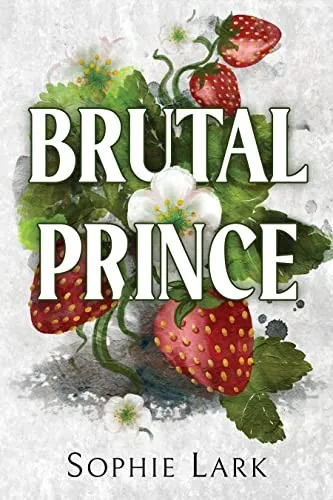
Mafia heirs, enforcers and bosses. Violence is part of the world, and he is good at it. The heroine might not be safe from him at first. The Sweetest Oblivion, Brutal Prince and Bound by Honor sit in this band. If this is your lane, see mafia and bratva romance.
The dark end: he is the danger
Here the hero’s darkness is aimed at the heroine. He stalks her, takes her, or hurts people to keep her. The book still frames it as a romance, which is the whole reason the genre exists and the reason warnings matter so much here. Haunting Adeline, Twist Me and Captive in the Dark are all here.
Off the edge: the killers
Heroes, and sometimes heroines, who kill for pleasure or for a code of their own. Butcher & Blackbird is the warm-hearted version. Empathy by Ker Dukey is not. More in serial killer romance.
Why we love morally grey heroes
The cheap answer is “bad boys are hot”. True, and not much use.
They are competent. A morally grey hero is usually extremely good at something, often something frightening. Competence is attractive, in books and out of them.
They pick a side, and it is you. The grey hero is ruthless to the world and soft for one person. That contrast is the engine of most of these books. Being the exception to someone’s cruelty is a powerful fantasy, as long as it stays a fantasy.
They are honest about darkness. A lot of readers find the perfect, kind hero harder to believe than the flawed one. A grey hero has done things, admits it, and does not pretend.
The stakes go up. If the hero might do something terrible, every scene has tension. That is why so much dark romance leans grey. Danger is cheaper than plot and works better.
I go deeper into the psychology in why women read dark romance.
Morally grey heroines
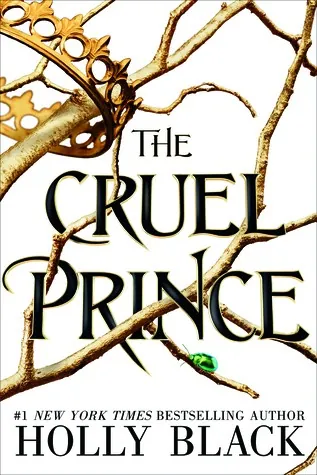
They exist and they are getting more common. A heroine who kills, lies, schemes or matches the hero blow for blow. Brynne Weaver’s books are full of them, and The Cruel Prince has one of the best: Jude is as ruthless as anyone in Faerie. A grey heroine changes the power balance, which makes the romance feel less like a rescue and more like a war between equals.
When “morally grey” is just marketing
Some books use the phrase to sell a perfectly nice man with a frown. Nothing wrong with that. It is just not grey. A quick test: if you removed the hero’s bad choices, would the plot change? If not, he is a nice man in a leather jacket.
The other failure is the opposite. A book calls a hero morally grey when he is simply cruel and the story never asks you to look at it. Grey needs light and dark. Without the light, it is just a villain, and the book should say so.
How to pick a morally grey book that suits you
The tag alone will not help, because it covers almost everything. Use it with the other scores:
- Pick your darkness. On the darkness scale, a 3 is a grey hero with blood on his hands. A 5 is a hero who is the danger.
- Add a second trope. Grey plus mafia, grey plus stalker, grey plus fae. That narrows it fast.
- Read the warnings. Grey heroes come with grey actions. Check trigger warnings A to Z for anything you need to avoid.
- Use a lighter list if you are new. The morally grey heroes list mixes light and dark; the beginner starter pack leans gentle.
My own grey man
I write one, so take this with salt. The hero of Zade Masked wears a mask, watches a woman he should not, and does things for her that no one should. He has reasons. I do not think they excuse him, and the story does not ask you to. That is what grey means to me: you see the man clearly, you understand him, and you still have to decide how you feel.
If you want the mask side of that argument, it is in the mask is the point. If you want the full trope menu, see dark romance tropes explained.
What is a morally grey hero FAQ
What does morally grey mean in romance?
A character who does wrong things for reasons the story takes seriously. You can understand his choices without approving of them.
Is a morally grey character the same as a villain?
No. A villain is the antagonist. A morally grey character sits between hero and villain. In some dark romance the hero is both, depending on the chapter.
Why do readers like morally grey heroes?
They are competent, honest about their darkness, and ruthless to the world but soft for one person. That contrast drives a lot of tension.
On the shelf
The books this essay is standing next to. Notes on those pages are original. The warnings are there before the plot.


Essays are opinion. They are not a substitute for an author’s own warning note. Patreon · Ko-fi · Library