The Dark Room
Dark is not a spice level
Spice and darkness are different scores. An essay on why “dark romance” is not a synonym for explicit, and how to use a warning page.
People say dark when they mean explicit. I have watched the word slide. A book is called dark because the sex is on the page, and a book is called soft because the door closes, even when the closed door belongs to a locked room. Those are not the same fact.
On this site I split them. Spice is heat: how much of the sex is written, and how often. Darkness is the moral weather: harm, obsession, captivity, the question of whether the book wants you to feel safe. A closed-door novel can be pitch black. A scorching novel can be morally grey and still be, for the right reader, a place to rest. If you only trust one number, you will buy the wrong book and then blame the shelf.
I learned this the irritating way, which is by recommending a book to someone who asked for “dark” and receiving, correctly, a furious note about what was actually in it. They did not want a higher spice score. They wanted to know if someone was taken. That is a warning, not a vibe. It belongs in a sentence you can read before you spend the money.
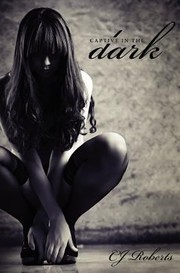
Captive in the Dark is useful here because the title refuses the euphemism. So does Twist Me. I am not reviewing them. I am pointing at the lane. Captivity is the plot. If that sentence is already too much, the book is not going to negotiate with you, and neither should a recommendation video that smiled through the same plot and called it spicy.
Heat is how the scene is written. Darkness is whether you are allowed to leave the room.
The warning pages on this site are the practical half of this essay. Search the book. Read the flags. Some of them are shelf-level, which means I am telling you the weather of that author’s lane, not swearing to a scene list I do not have the right to invent. Where I am sure about a specific book, I say so. Where I am not, I would rather you check the author’s own note than trust a stranger’s confidence.
I write dark romance. I also write the line under the serial: mask first, morals second. That is a tone, not a permission slip. Fiction for adults is not a plan for a real person. If a video treats a captivity plot as a shopping list for how to treat someone you know, leave the video. The books are not instructions. This essay is not one either.
If you want a list, use the library. Filter by darkness when you mean the weather, and by spice when you mean the door. They are both on the card. I put them there because I got tired of the word dark doing two jobs and doing both of them badly.
On the shelf
The books this essay is standing next to. Notes on those pages are original. The warnings are there before the plot.

More from the Dark Room
-
The mask is the point
A first-person essay on masked-hero dark romance. Why the reveal is often the moment the book gets smaller, and what I want instead.
Essays are opinion. They are not a substitute for an author’s own warning note. Patreon · Ko-fi · Library