The Dark Room
Dark romance tropes explained, from masks to monsters
A plain-English guide to the trope names you see in every review, what each one usually means for the darkness, and how they stack.
Dark romance has its own language, and most of it is trope names. Read three reviews and you will see “morally grey MMC”, “touch her and die” and “why choose” without anyone explaining them. This is the explainer nobody handed me when I started. Each trope links to its page on the shelf, where the books are scored for spice and darkness and the warnings come first.
What is a trope, and why dark romance runs on them
A trope is a familiar story pattern. Enemies to lovers. The arranged marriage. The man in the mask. Readers use them like a menu: you already know you like a certain shape of story, so you look for that shape.
In dark romance, tropes do a second job. They tell you roughly what kind of darkness to expect. A mafia romance will usually have violence and crime. A captive romance will have someone held against their will. So I treat a trope as half menu, half warning label. Read the trope, then read the trigger warnings, then decide.
The obsession tropes
Stalker
The hero becomes obsessed and watches, follows or breaks into the heroine’s life before she knows him. The engine is dread mixed with being completely seen. I wrote a full guide to stalker romance books. Shelf: stalker romance.
Masked hero
He hides his face, sometimes for most of the book. The mask turns every stranger into a suspect and makes the reveal into an event. This is my lane, so I am biased; my essay on it is the mask is the point. Shelf: masked hero romance.
Possessive hero
Less about watching, more about claiming. “Touch her and die” lives here. It runs from jealous and growly to genuinely frightening. Shelf: possessive hero.
The captivity tropes
Captive and kidnapping
The heroine is taken or held. Sometimes the romance grows inside that, which is where the genre gets its sharpest edges and its most serious warnings. I would treat these as warnings first and tropes second. Shelves: captive and kidnapping.
Arranged marriage
Not always dark, but in dark romance it usually means a marriage that one party did not choose, often between crime families. It sits next to mafia romance on most shelves. Shelf: arranged marriage.
The crime tropes
Mafia and bratva
The hero is a made man, a boss, an heir or an enforcer. Italian mafia, Russian bratva, Irish mob, cartel. The appeal is power, loyalty and a world with its own rules. I wrote a guide to mafia and bratva romance. Shelves: mafia, bratva, cartel.
Serial killer
The hero, the heroine, or both kill people. Sometimes for revenge, sometimes because they like it. It sounds like the darkest corner and sometimes is, but some of the most loved books here are funny. See serial killer romance. Shelf: serial killer.
Motorcycle club
Outlaw bikers, club law, loyalty and violence. Usually gritty and small-town. Shelf: motorcycle club.
The power tropes
Morally grey
Probably the most used phrase in the genre. A morally grey character does wrong things for reasons the book takes seriously. At the gentle end it is a hero with a temper and a past. At the far end it is a villain the book still loves. Full explainer: what is a morally grey hero. Shelf: morally grey.
Bully
Usually set in a school or university. He torments her, she fights back, and the hate turns into something else. Readers love it or throw it across the room. There is not much middle. Shelf: bully romance.
Enemies to lovers
Not dark in itself, but in dark romance the enemies can be on opposite sides of a gang war or a revenge plot. Shelf: enemies to lovers.
Age gap and forbidden
An older hero, or a relationship the world says is wrong: a teacher, a priest, a best friend’s father. The darkness comes from the taboo more than any violence. Shelves: age gap, forbidden, taboo.
Revenge
One of them is out to ruin the other, and falling in love was not in the plan. Shelf: revenge.
The setting tropes
Dark academia and secret societies
Elite schools, old money, hooded rituals and boys who think rules are for other people. Shelves: dark academia, secret society.
Gothic
Old houses, inherited curses, candlelight and a love story that feels haunted. Probably the oldest trope on this page. I traced its roots in the history of dark romance. Shelf: gothic romance.
The fantasy tropes
Monster, demon, vampire, fae
When the hero is not human at all. These range from cosy to brutal, so check the darkness score more than usual. Shelves: monster, demon, vampires, fae, and dark fantasy for the wider lane.
Hades and Persephone
The god of the underworld and the girl he takes below. A retelling with a built-in captivity story. Shelf: Hades and Persephone.
The shape tropes
Why choose
One heroine, several love interests, and she does not have to pick. Explained properly in what is why choose romance. Shelf: why choose.
Psychological
The darkness is in the head: manipulation, mind games, unreliable narrators. Sometimes no one is hit at all and it is still the darkest book you read that year. Shelf: psychological dark romance.
How tropes combine
Almost no dark romance is one trope. The good ones stack them like a dare. A masked stalker who is also a killer. A mafia heir in an arranged marriage that turns into a captive story. A bully romance at a school run by a secret society.
That stacking is why you cannot judge a book by its main trope alone. A mafia romance might be romcom-light or might be the darkest thing on your shelf. That is why every book here also has a spice score and a darkness score, explained on how we rate, and why the two are different (I argue that in Dark is not a spice level).
Using tropes to find your next book
My method is not clever, but it works. Pick one trope you know you like. Open its shelf. Sort by darkness in your head: look for books one step darker or lighter than the last one you enjoyed. Read the warnings. Then try one book with a second trope stacked on top, and see whether you like the mix.
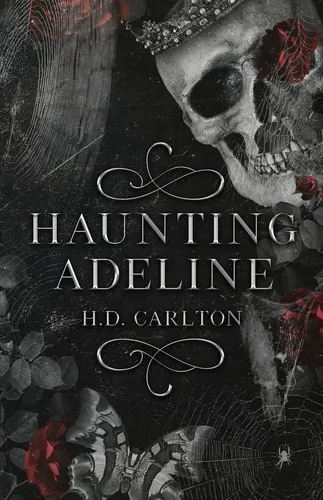
If you get stuck, every book on the shelf has a “books like” page, like books like Haunting Adeline, that finds ten more matched on trope, spice, darkness and warnings. The full list of shelves is on the tropes page, and if you are not sure where to start at all, dark romance for beginners is the gentle way in.
I write in the masked and stalker lanes myself, with Zade Masked. So if you ever wondered which trope I would defend to the end: the mask stays on.
Dark romance tropes explained, from masks to monsters FAQ
What are the most common dark romance tropes?
Stalker, masked hero, possessive hero, captive and kidnapping, mafia and bratva, morally grey, bully, why choose, serial killer and dark academia are the ones you will see most.
What does MMC mean in dark romance?
Main male character. FMC is the main female character. You will see both in almost every review.
Can a book have more than one trope?
Almost always. Most dark romances stack two or three, such as a masked stalker who is also a killer, which is why the darkness score matters more than the trope name alone.
Are tropes the same as trigger warnings?
No, but they overlap. A trope tells you the shape of the story. A warning tells you what actually happens. Read the trope, then check the warnings page.
On the shelf
The books this essay is standing next to. Notes on those pages are original. The warnings are there before the plot.
Essays are opinion. They are not a substitute for an author’s own warning note. Patreon · Ko-fi · Library