The Dark Room
Dark romance trigger warnings: how to read them, and why I print them
Why every book on this shelf carries warnings, whether they spoil anything, what the shorthand means, and how to search by the one thing you cannot read.
I put warnings on every book on this shelf, including my own, and I get two kinds of messages about it. One says thank you. The other says warnings are spoilers, or coddling, or not the point of dark romance. I understand the second group. I still think they are wrong, and I can show you how to use warnings without spoiling a thing.
What is a trigger warning in a book?
A trigger warning, or content warning, is a list of difficult things that happen in a book. Sexual assault, violence, self-harm, suicide, child abuse, kidnapping, grief. It tells you what is in the book, not how or when it happens.
Some readers have lived through something on that list. For them, reading it without warning can bring back a panic attack, a flashback, or just a terrible night. Other readers just want to know what they are getting. Both are fine reasons. One list covers both.
Why dark romance needs warnings more than other genres
Most genres signal their content with their category. A crime novel will have a crime in it. A war novel will have a war.
Dark romance is different, because it is a romance. The cover and the genre label promise a love story, and then the book might contain things a reader would never expect from the word “romance”. The darkness can range from a moody hero to non-consent and torture. That range is exactly why warnings matter: “dark romance” alone tells you very little. I wrote about the difference between spice and darkness in Dark is not a spice level, and warnings are the third score nobody puts on the cover.
Are trigger warnings spoilers?
Mostly, no. A good warning list says “kidnapping” or “death of a parent”. It does not say who, when, or how the story handles it. You already know the couple ends up together, because it is a romance. Knowing that something hard happens on the way does not change the shape of the story.
There are a few cases where a warning gives away a twist: the death of a main character, for instance. If you are worried about that, a good warnings page will flag it, and you can choose to read only the parts you need. On this shelf, warnings are grouped as graphic, moderate and minor, so you can stop at the level you care about.
How to read a dark romance warnings page
This is the method I use, and the one I give friends.
1. Know your two or three hard limits
You do not need a list of twenty things. Most readers have one or two subjects they cannot read about. Write them down if it helps. Those are the only ones you need to search for every time.
2. Look for “on page” vs “mentioned”
A warning might be something that happens in detail on the page, something that happened in the past and is talked about, or something that is threatened but never happens. Those are very different reading experiences. On this shelf, graphic means on the page in detail, moderate means present but less detailed, and minor means mentioned or brief.
3. Check the source
The best warnings come from the author. Many dark romance writers publish their own content warning page or put a list in the front of the book. When a book on this shelf has the author’s list, it says so. When it does not, the page says “warnings not yet verified” and lists only what the blurb and reviews make clear. If that is the case for a book you are nervous about, look for the author’s site before you start.
4. Search by warning, not just by book
If you know your limit, you can work backwards. The trigger warnings A to Z page lists every warning tag, and each tag lists every book that has it. For example: sexual assault, non-consent, dubious consent, kidnapping and cheating.
The common dark romance warnings, explained
Some of these are shorthand, so a quick glossary:
- Dubcon (dubious consent). Consent is unclear, pressured or given under circumstances that make it questionable. Very common in the genre.
- Noncon (non-consent). Sex without consent. Some dark romances include it, often involving the hero. It is the warning readers most want to know about.
- CNC (consensual non-consent). A kink where both people agree in advance to role-play non-consent. Different from noncon, though some readers want to avoid both.
- Captivity. A character held against their will.
- Stalking. Covered in my stalker romance guide.
- Breath play, knife play. Kinks involving choking or blades, usually consensual in context but intense.
- Somnophilia. Sexual contact with someone who is asleep.
- Gore. Graphic injury or violence in physical detail.
Lists that filter for you
If there is one thing you cannot read, these lists save time:
- Dark romance without non-con
- Dark romance without SA
- Dark romance without cheating
- Low spice dark romance if you want the darkness but less on the page
Some examples
To show what this looks like in practice:
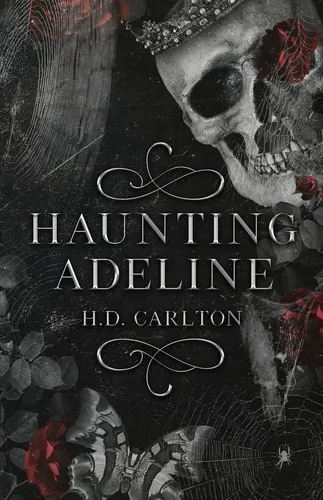
- Haunting Adeline by H. D. Carlton has one of the longest warning lists on the shelf, including non-consent and trafficking. The Haunting Adeline warnings page lays it out before you buy.
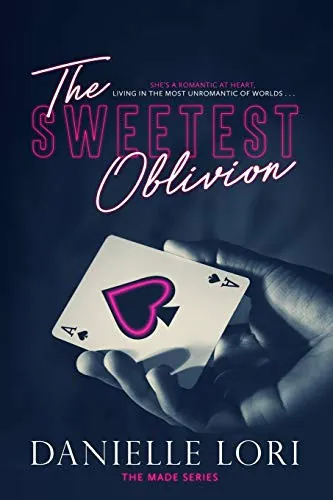
- The Sweetest Oblivion has a much shorter list: murder, blackmail, organised crime. Still dark, very different night.
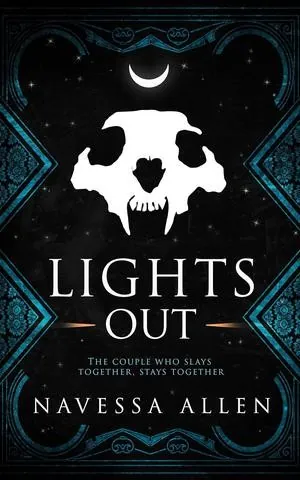
- Lights Out has an author-verified list, so you know it came from the writer, not from guesswork.
Same genre, three very different lists. If you want the argument for checking in one line, that is it.
“But warnings take away the fear”
This is the best objection I hear, and I do not wave it away. Part of dark romance is not knowing how far the book will go. Some readers want that.
My answer: warnings are optional. Nobody makes you read them. They sit on a separate page from the book itself on this site, and you can go straight to the book if you want the blind experience. What warnings do is give the choice to the people who need it. A reader who skips them loses nothing. A reader who needed them and could not find them can lose a lot more than a night.
My own warnings
My serial, Zade Masked, carries warnings for stalking, obsession, violence, dubious consent, power imbalance and captivity. They are printed before the first part, and on the book page. That is the deal as I see it: I get to write a man who does terrible things in a mask, and you get to know that before you meet him.
If you are new to the genre, start with dark romance for beginners. If you want to understand the scores that sit beside the warnings, read book spice levels explained and how we rate.
Dark romance trigger warnings FAQ
Are trigger warnings spoilers?
Mostly not. A warning list says what happens, not who, when or how. A few warnings, like a main character’s death, can hint at a twist, so good warning pages flag those.
What does dubcon mean?
Dubious consent: consent is unclear, pressured or given in circumstances that make it questionable. It is one of the most common warnings in dark romance.
What is the difference between noncon and CNC?
Noncon is sex without consent. CNC, consensual non-consent, is a kink where both people agree in advance to role-play non-consent.
Where can I find dark romance without non-con?
Use a filtered list like dark romance without non-con, or open the noncon warning tag and avoid the books it lists.
On the shelf
The books this essay is standing next to. Notes on those pages are original. The warnings are there before the plot.
Essays are opinion. They are not a substitute for an author’s own warning note. Patreon · Ko-fi · Library